Missing Shingles After an Ottawa Windstorm? What to Do Next
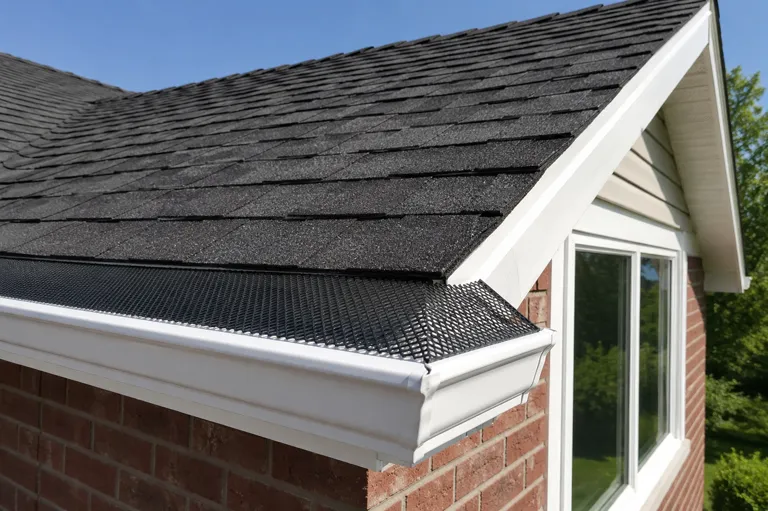
Finding shingles in the yard after a storm is unsettling. You may also notice an uneven patch on the roof, a lifted edge or a new stain on the ceiling. If water is coming in, call for 24/7 emergency roof repair in Ottawa.
Your first instinct might be to climb up for a closer look. Resist it. A storm-damaged roof can be slippery and unstable, and loose materials are difficult to see from a ladder. You can learn quite a bit from the ground and inside the house without putting yourself at risk.
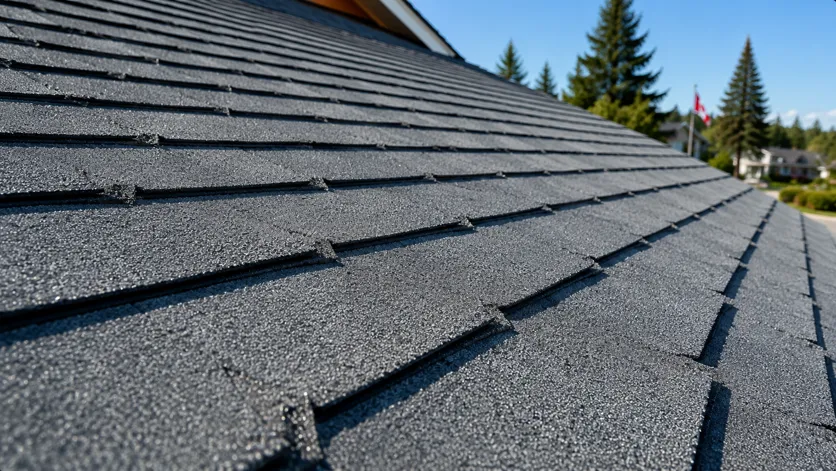
Start with immediate hazards
Before checking the roof, look for downed power lines, broken branches and loose materials that could fall.
If you see a downed power line, stay at least 10 metres away. Keep clear of trees, fences, vehicles, standing water and debris that may be touching the line. Call 911, then report it to Hydro Ottawa at 613-738-0188.
Never assume a line is safe because it is quiet or not sparking.
You should also keep people and pets away from:
- Branches hanging over the house, driveway or walkway
- Loose metal, shingles or siding
- Damaged gutters and downspouts
- Broken glass
- Debris caught in trees or overhead wires
Wait until the worst of the wind has passed before walking around the property.
Check the roof from the ground
Stand well back from the house and look at each visible roof slope. A phone camera with zoom or a pair of binoculars can help.
Watch for:
- Gaps or irregular patches in the shingles
- Shingles that are crooked, folded or sticking up
- Missing shingles along the roof peak
- Pieces hanging over the roof edge
- Exposed wood or a smooth layer beneath the shingles
- Bent flashing around chimneys, skylights and walls
- Damaged or leaning roof vents
- Loose gutters, fascia or downspouts
- Signs that a branch or other object struck the roof
Take photographs of anything that looks different, but do not try to identify the exposed roofing layer from the ground. A bare-looking patch is useful evidence, not a diagnosis.
A ground inspection also has limits. Wind can break a shingle’s seal or loosen its fasteners without leaving an obvious gap. If neighbouring homes lost shingles or you found roofing debris on your property, arranging an inspection is sensible even when the roof looks normal from the driveway.
Look for debris around the property
Check the lawn, driveway, deck and side yards for shingles, ridge-cap pieces, flashing, vent covers, roofing nails and sections of gutter or fascia.
Before moving anything, take one close photograph and one wider photograph showing where you found it. This can help a roofer or insurance adjuster understand what happened.
Keep pieces that are safe to handle, but remember that storm debris can travel. A shingle in your yard may have come from a neighbouring roof.
Leave sharp, heavy or unstable debris alone. Do not begin cleanup anywhere near a downed power line.
Check inside for signs of water
Start on the highest floor and inspect ceilings, closets and exterior walls. Pay particular attention to rooms below chimneys, skylights, roof valleys and other areas where roof sections meet.
Possible signs of a leak include:
- A new brown or yellow stain
- Damp or darkened drywall
- Bubbling or peeling paint
- Dripping water
- Moisture around a chimney, vent or light fixture
- Wet insulation visible from the attic hatch
- A sagging or bulging ceiling
The location of a stain does not always reveal where the roof was damaged. Water can travel along the roof deck or framing before it reaches the ceiling.
If water is dripping, move belongings out of the way if you can do so safely and place a container underneath. Stay out of the room if the ceiling is sagging or bulging. Do not puncture the ceiling to release the water.
Water near a light fixture, outlet, switch or electrical panel requires extra caution. Do not touch the fixture or electrical equipment. Keep people away from the area and arrange for a qualified electrical contractor to assess it.
You may look through an attic hatch from a safe position with a flashlight. Do not enter an attic unless it has a proper walking surface. Insulation and ceiling drywall will not support your weight.
Decide how urgently you need help
Not every missing shingle is an emergency, but some types of damage should not wait.
Call 911 first if there is:
- A downed power line
- Fire or sparking
- An immediate risk of collapse
- A serious threat to people nearby
Request urgent professional help if there is:
- Water actively entering the house
- A sagging or bulging ceiling
- A branch or other object through the roof
- A large open or loose section of roofing
- Visible movement or deformation in the roof structure
- Material that could fall onto a doorway, driveway or public walkway
Arrange a prompt roof inspection if:
- A small number of shingles are missing or lifted
- You found roofing debris but cannot see where it came from
- Flashing, vents, gutters or fascia appear damaged
- The roof looks intact but nearby homes sustained wind damage
- There is no active leak, but rain is expected
The urgency depends on the size and location of the damage, what is exposed and the weather forecast. A dry ceiling is reassuring, but it does not rule out roof damage.
Leave temporary roof covering to a professional
A properly installed tarp can reduce further water entry until permanent repairs are made. Installing one still requires someone to work on a damaged roof, often in poor conditions. Emergency tarping from RoofRoof costs $300 to $1,200 depending on the area, plus HST.
Do not climb up to install a tarp yourself. An emergency roofer will have the equipment and training to assess whether the roof can be accessed safely.
Inside the house, focus on protecting belongings, containing water and keeping people away from damaged ceilings or electrical hazards.
Take photographs that are useful
You do not need hundreds of images. A short, organized record is more helpful.
Try to capture:
- Each side of the house
- Every roof slope visible from the ground
- Missing, folded or lifted shingles
- Damaged vents, flashing, gutters and fascia
- Fallen branches and visible impact points
- Roofing debris before it is moved
- Interior stains, drips or damaged ceilings
- Any temporary protection or cleanup work
Keep the original files and note when the storm occurred, when you first noticed the damage and whether any stains or leaks changed over time.
Save receipts for emergency repairs, cleanup and materials.
What to tell the roofer
When requesting an inspection, explain:
- Whether water is entering the house
- Where you see stains or dripping
- Which part of the roof appears damaged
- Whether a tree or other object struck the roof
- Whether electrical lines or equipment are involved
- The approximate age of the roof, if known
- Any access problems around the property
Send a few clear photographs rather than a large collection of similar images.
Ask the roofer for:
- Roof-level photographs of the damage
- A written explanation of what needs to be repaired
- Separate pricing for temporary and permanent work
- An explanation of any concealed damage found during the repair
- Confirmation of whether the repair includes shingles, underlayment, flashing, sheathing or structural framing
Be cautious about approving a full roof replacement based only on a quick ground-level assessment. The contractor should be able to explain why a repair is or is not practical.
Will insurance cover wind damage?
Home insurance commonly covers sudden wind damage, including damage caused by flying debris or falling branches. Coverage may also apply when rain enters through an opening created by the wind.
The details depend on your policy, deductible, roof condition and cause of damage. Normal wear, poor maintenance and pre-existing deterioration are generally not covered.
Contact your insurer promptly if the damage may justify a claim. Ask what documentation it needs and whether it wants to review the damage before permanent repairs begin.
Do not postpone work needed to protect people or prevent further damage. Take photographs first when it is safe, document any temporary repairs and keep the receipts.
Do roof repairs in Ottawa require a permit?
The City of Ottawa lists the installation of asphalt shingles as work that does not normally require a building permit. Its storm-repair guidance also says repairs to roof sheathing and shingles can generally proceed without one.
Structural work is different. A permit may be required if the repair involves damaged or deformed rafters, trusses, beams, joists or other structural framing.
If the scope is unclear, contact the City of Ottawa through 311 or speak with the Building Code Client Service Centre before structural work begins.
The bottom line
Stay off the roof and begin with a safe inspection from the ground and inside the house.
Active water, a puncture, a sagging ceiling or structural movement needs urgent attention. A few missing shingles without an interior leak may not require an emergency call, but they should still be inspected promptly.
Good photographs, a clear written repair scope and an early conversation with your insurer will make the next steps easier.