Roof Leak Repair in Ottawa: What to Do and When to Call a Roofer
You may first notice a roof leak as a brown mark spreading across the ceiling, water dripping near a window, or moisture appearing around a light fixture during a storm. RoofRoof handles roof repair in Ottawa and answers active leaks 24/7.
Your first priority is safety. After that, limit the damage, document what happened, and arrange an inspection. Do not assume the opening in the roof is directly above the visible stain. Water can travel along roof decking, framing, pipes, and insulation before it reaches the ceiling.
What to do when you discover a leak
1. Check for immediate hazards
Keep people and pets away from the affected area if the ceiling is sagging, bulging, cracking, or shedding material. Water-damaged drywall may fail or collapse.
Treat water near electrical equipment as an urgent electrical hazard. Do not touch wet switches, outlets, appliances, fixtures, wiring, or electrical panels. If water is entering through a light fixture, leave the area and contact a licensed electrical contractor.
Call 911 if you see smoke, sparks, fire, or another immediate threat.
Contact between water and electrical systems can cause serious injury or death. Have a licensed electrical contractor check any water-affected wiring or fixtures before you use them again.
Never climb onto a roof that is wet, icy, steep, or damaged by a storm. A roof that looks manageable from the ground may be unstable or dangerously slippery.
2. Limit the interior damage
If the area is safe, move furniture, electronics, rugs, and other valuables away from the water. Place a bucket or waterproof container beneath an active drip.
Do not stand beneath a sagging ceiling or cut into wet drywall. If the ceiling appears unstable, keep people out of the room and wait for a professional assessment.
3. Record what happened
Take photographs and video before cleanup or permanent repairs begin. Capture:
- The ceiling stain or active dripping
- Wet flooring and walls
- Damaged furniture or belongings
- Any sagging or damaged ceiling material
- Exterior damage visible from the ground
- Temporary measures used to limit further damage
Write down when the leak started and what the weather was doing at the time. Rain, high winds, snowmelt, and recent freeze-thaw conditions can provide useful clues.
Keep receipts for emergency work and copies of contractor reports, estimates, and invoices. This documentation may help identify the cause and may also be useful if you make an insurance claim.
Is the roof the source?
Not every ceiling leak begins on the roof. Plumbing, HVAC equipment, condensation, windows, and exterior walls can produce similar symptoms.
The timing of the water can help determine what to investigate:
| When water appears | Possible source to investigate |
|---|---|
| During steady rain | Roofing materials, flashing, valleys, seams, or penetrations |
| During wind-driven rain | Lifted shingles or flashing around a wall, chimney, vent, window, or skylight |
| During or after snowmelt | Ice-dam backup, drainage trouble, or a concealed building-envelope defect |
| When an upstairs fixture is used | Plumbing or fixture leak |
| During hot, humid weather | HVAC condensation or a blocked condensate drain |
| During very cold weather without rain | Attic condensation, frost buildup, air leakage, or an insulation problem |
These patterns are clues, not proof. A roofer, plumber, HVAC technician, or building-envelope professional may need to investigate before the source can be confirmed.
Common causes of roof leaks in Ottawa
Ottawa roofs are exposed to snow, ice, spring melt, summer storms, and repeated temperature changes. These conditions can expose weak points in an otherwise serviceable roof.
Possible problems include:
- Missing, cracked, curled, or lifted shingles
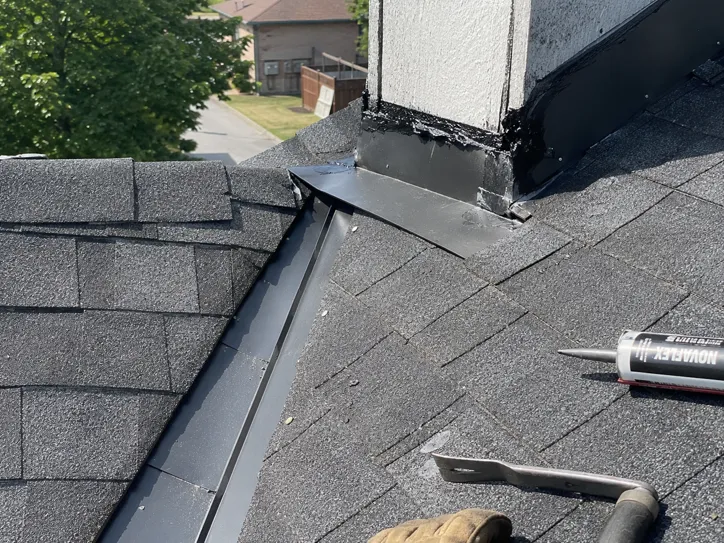
- Failed flashing around chimneys, walls, skylights, and roof edges
- Cracked or deteriorated plumbing vent boots
- Damage in roof valleys
- Ice dams that allow meltwater to back up beneath roofing materials
- Open seams or punctures in flat and low-slope roofing
- Blocked or damaged roof drains
- Previous repairs that relied on exposed sealant instead of replacing a failed component
- Wind or impact damage from branches and debris
A roof can look normal from the street and still leak. Small flashing failures, loose seams, and damage beneath overlapping materials are often difficult to see from the ground.
What you can inspect safely
Start outdoors and remain on the ground. Binoculars or a camera with a zoom lens may help you spot:
- Missing or displaced shingles
- Damaged flashing
- Broken or shifted vents
- Fallen branches
- Roofing debris in the yard
- Obvious openings or punctures
- Damage around chimneys, valleys, or skylights
Take one wide photograph showing the affected roof area, followed by closer photographs of visible damage.
A ground-level inspection can identify obvious problems, but it cannot confirm that the roof is watertight. Do not climb onto the roof to look beneath shingles or inspect flashing.
What to check in the attic
Inspect the attic only if you can do so safely.
Unless the attic has a permanent walkway, adequate lighting, and unobstructed access, remain at the access opening and leave a closer inspection to a professional. Do not step onto insulation or the ceiling surface below it.
From a safe position, use a flashlight to look for:
- Wet or compressed insulation
- Darkened or stained wood
- Moisture beneath the roof deck
- Water marks along rafters
- Dampness near vents, chimneys, or other penetrations
- Frost or condensation across a broad area
Water marks may show the route moisture followed, but they do not always identify its original entry point.
Broad frost or condensation across the underside of the roof may indicate indoor moisture moving into the attic through air leaks. Correct the moisture sources and air leaks before adding insulation; more ventilation alone may not solve an attic-condensation problem.
The same guidance explains that ice dams can form when heat escaping into an attic warms the roof deck, melts snow, and allows water to refreeze near colder eaves. The preferred long-term response generally involves diagnosing air leakage and insulation problems rather than repeatedly removing the ice.
What a professional inspection should cover
A useful inspection does more than look at the part of the roof directly above the ceiling stain. The contractor should follow the moisture path and examine the details most likely to admit water.
Depending on the roof, an inspection may include:
- Shingles or roof membrane
- Flashing at walls, chimneys, skylights, and roof edges
- Valleys and drainage paths
- Plumbing vents and other penetrations
- Flat-roof seams and drains
- Eaves and evidence of ice-dam backup
- Previous repair areas
- Exposed or damaged roof decking
- Attic insulation and the underside of the roof deck
Ask the contractor to provide photographs and explain what evidence supports the diagnosis.
A recommendation to spread roofing cement over a suspected area is not the same as identifying and repairing the failed material or detail. Sealant has legitimate uses, but it should not be used to conceal a defect that requires proper flashing, membrane, or material replacement.
Temporary protection versus permanent repair
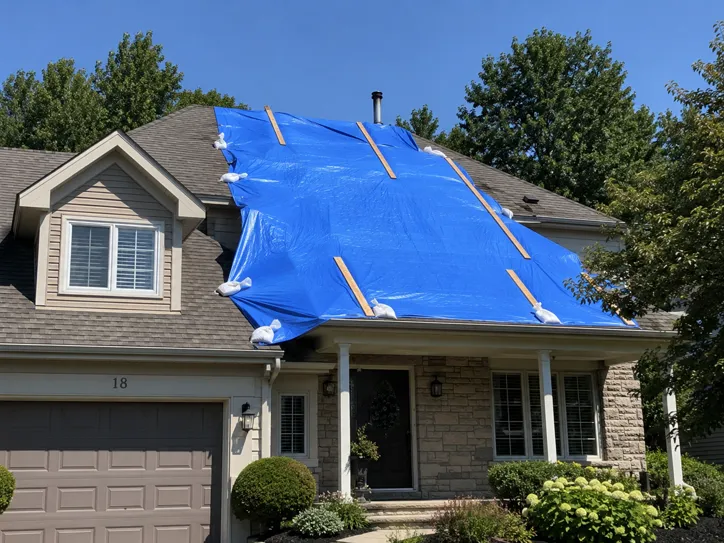
During severe weather, a permanent repair may not be safe or practical. A contractor may install temporary protection to reduce further water entry until conditions improve.
Temporary measures should be clearly identified as temporary. Tarps can shift or deteriorate, and exposed sealants may not address the underlying failure. Arrange a follow-up inspection and permanent repair when conditions permit.
Do not attempt to install a tarp yourself if doing so requires climbing onto an unsafe roof.
Does one leak mean the roof needs replacement?
Not necessarily.
A localized problem, such as a damaged vent boot or a small flashing failure, may be repairable if the surrounding roof remains in serviceable condition.
Replacement may deserve consideration when:
- Deterioration is widespread
- Roofing materials are failing in several areas
- The roof has a history of recurring leaks
- The decking has extensive damage
- A localized repair would not provide a reliable result
Age matters, but it should not be the only factor. The decision should be based on the condition of the complete roof system, the extent of hidden damage, and the expected service life of the proposed repair.
Be cautious if someone recommends complete replacement based only on a ceiling stain or a distant exterior photograph.
Roof leak repair costs
There is no reliable flat price for a roof leak because the visible symptom says little about the work required.
The final cost can depend on:
- The source of the leak
- The roof type and pitch
- Access and working conditions
- The materials being repaired
- Whether emergency protection is needed
- Damage to decking, insulation, drywall, or finishes
- The amount of investigation needed to find the entry point
A written estimate should:
- Describe the proposed repair
- Identify the materials involved
- State whether the work is temporary or permanent
- Explain what evidence supports the diagnosis
- Identify conditions that could increase the price
- Include applicable warranty information
An unusually inexpensive quote may cover only a surface patch. A higher quote is not automatically more thorough. The contractor should be able to connect the proposed work to visible evidence.
Insurance considerations
Insurance coverage depends on the cause of the damage and the wording of your policy.
Home insurance typically covers interior water damage from a roof leak, but damage to the roof itself may not be covered when it comes from wear, deterioration or poor maintenance. Policy terms vary, so confirm your coverage with your insurance representative.
Before permanent repairs begin, photograph the damage and contact your insurer or broker for instructions. Reasonable emergency work may still be necessary to prevent further damage, but keep records of what was done and why.
Save:
- Photographs and videos
- Notes about the weather and timing
- Contractor inspection reports
- Itemized estimates and invoices
- Receipts for emergency mitigation
- A list of damaged belongings
A contractor can document the roof’s condition and likely cause of damage, but only your insurer or broker can interpret your coverage.
Questions to ask before approving a repair
Ask the contractor:
- What evidence identifies the source of the water?
- Is the proposed work temporary or permanent?
- Which materials will be removed and replaced?
- Could hidden damage change the price?
- Will I receive photographs before and after the repair?
- What warranty applies?
- What happens if the leak returns?
Clear explanations and photographs are more useful than a promise that a quick patch will “take care of everything.”
Frequently asked questions
Should I paint over the ceiling stain?
Not yet. Repair the moisture source first and confirm that the ceiling, insulation, and surrounding materials are dry. Painting too soon can conceal continuing moisture and may result in renewed staining or damaged finishes.
Can a roofer repair a leak while it is raining?
A contractor may be able to install emergency protection, but some permanent repairs require a dry surface and safer weather. The available options depend on the type of roof, the damage, and site conditions.
Why is the stain nowhere near the damaged part of the roof?
Water can travel along roof decking, rafters, pipes, or insulation before it becomes visible. The place where water appears indoors may be several feet from its entry point.
What if the stain is dry and no longer growing?
Document it and arrange an inspection. The moisture may have stopped when the rain or snowmelt ended, but the defect can remain and leak again during later weather.
Who should I call if I am unsure whether it is a roof or plumbing leak?
Start with the timing and location of the water.
Water associated with rain or snowmelt may warrant an inspection by a roofer or building-envelope professional, particularly when the source could be the roof, a window, an exterior wall, or a flashing detail.
Water that appears when a plumbing fixture or appliance is used may require a plumber or HVAC technician. If electrical equipment is wet, stay away from it and contact a licensed electrical contractor.
The bottom line
When water enters your home, address electrical and ceiling-collapse hazards first. Protect belongings when it is safe, document the damage, and arrange an inspection that traces the moisture to its actual source.
Many roof leaks can be repaired without replacing the entire roof. The key is an evidence-based diagnosis and a repair that addresses the failed material or construction detail rather than only the visible stain.
If you have active water entry, visible storm damage, or moisture appearing after rain or snowmelt, contact an appropriate Ottawa roofing or building-envelope professional promptly. Stay off the roof and let the inspection determine whether you need temporary protection, a localized repair, or a broader roofing solution.