Raccoon Roof Damage in Ottawa: What to Do and What to Repair
Finding out that a raccoon has been getting into your attic is unsettling. Finding a damaged soffit, torn shingles, or insulation scattered across the attic makes it worse.
The good news is that raccoon damage does not automatically mean you need a new roof.
In many cases, the animal has found an existing weakness in the roof or exterior of the house and made the opening larger. The repair may be limited to a section of soffit, fascia, shingles, flashing, or roof decking. We handle these roof repairs in Ottawa with a written estimate before work starts.
The important thing is to deal with the wildlife problem before permanently closing the opening. Otherwise, you can end up trapping the animal inside.
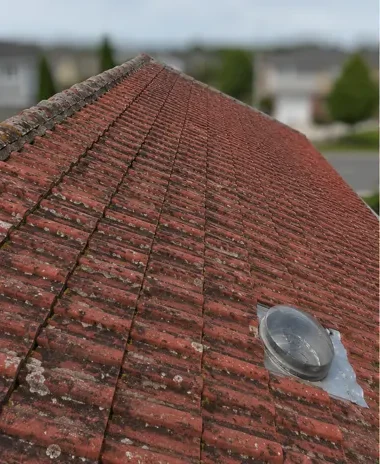
Where Raccoons Get Into Roofs
Raccoons are strong animals and can take advantage of damaged or unsecured parts of a building. Around a roof, the areas worth checking include:
- Soffits and fascia
- Roof edges
- Loose or damaged shingles
- Roof vents
- Chimneys
- Flashing
- Gaps around roof penetrations
- Existing holes or damaged sections of the roof
The entry point is not always obvious from the ground. A small opening outside can lead to a much larger area of damage inside the attic.
Soffit and Fascia Damage
Soffits are one area that should be checked when there are signs of raccoon activity near the roof edge.
A damaged soffit may show:
- Bent or missing panels
- Torn screening
- Scratches around an opening
- Gaps between panels
- Nesting material nearby
- Damage to the wood behind the soffit
The visible panel is not necessarily the whole problem. If the material behind it has been damaged, simply installing a new panel may not be enough.
A proper repair should address the opening and the material supporting or surrounding it.
Shingle Damage
Raccoons can disturb shingles while trying to reach a weak point underneath them.
You may find shingles that are:
- Lifted
- Cracked
- Missing
- Pulled away from the roof
- Damaged around an edge or penetration
The next question is whether water has entered the roof assembly.
If the underlayment or roof decking is still sound, the repair may be relatively straightforward. If water has reached the decking and caused deterioration, the affected section may need to be replaced before the roof covering is repaired.
A few damaged shingles do not, by themselves, justify replacing the entire roof.
Roof Decking
Roof decking is the structural surface underneath the roofing materials.
If an opening has allowed water into the attic, the decking around that area should be checked for signs of deterioration. Soft, weakened, or visibly damaged wood may need to be removed and replaced.
This is one reason it is useful to inspect the roof from both sides. What looks like a small opening from outside may have caused more damage underneath.
Roof Vents
Roof vents can be involved when an animal enters near a roof penetration.
The vent cover, surrounding shingles, flashing, and decking should all be checked. If the vent itself has been damaged, it may need to be repaired or replaced.
There is no reason to assume that one damaged vent has caused a whole-house ventilation problem. The actual condition of the attic and ventilation system should be assessed before deciding what work is necessary.
Chimneys Require Extra Care
Chimneys deserve special attention because they can provide sheltered spaces for wildlife.
If you think a raccoon may be inside a chimney, do not simply block the opening. There may be an animal inside that needs to get out, and depending on the time of year, there could be young nearby.
The wildlife issue should be resolved before the chimney is permanently sealed.
Afterward, the chimney cap, flashing, masonry, and surrounding roof can be inspected for damage.
Do Not Seal the Opening Too Soon
This is one of the easiest mistakes to make.
If a raccoon is still inside the attic, closing the entry point can trap it indoors. If a mother has young, sealing the opening can also leave the young separated from her.
Before permanent repairs are made, the opening should be assessed to determine whether it is still being used.
A wildlife professional can handle the exclusion side of the problem. Once the animal has been safely dealt with, the roofing repairs can be completed.
Signs of Raccoon Activity in the Attic
Some signs are obvious. Others are easy to overlook.
You may notice:
- Scratching or movement sounds
- Droppings
- A strong animal odour
- Disturbed insulation
- Nesting material
- Damaged wiring
- Wet insulation
- Daylight coming through an opening
- Damage around the roof edge
If you hear movement in the attic, avoid trying to catch or corner the animal yourself.
An attic can also contain exposed nails, unstable decking, electrical wiring, and contaminated material, so it is not a good place to investigate casually.
What to Do If You Find a Raccoon in Your Attic
The safest approach is to deal with the problem in stages.
1. Leave the animal alone
Do not try to handle, chase, or corner it.
2. Do not immediately close the entry point
First determine whether the animal is still inside and whether young could be present.
3. Arrange wildlife exclusion
Have the animal and the entry point assessed by an appropriate wildlife professional.
4. Inspect the attic
Look for water damage, disturbed insulation, contamination, damaged wood, and damaged wiring.
5. Inspect the roof
The suspected entry point should be checked from outside. Nearby shingles, flashing, vents, soffits, fascia, and decking may also need inspection.
6. Repair the opening
Once the wildlife issue has been resolved, repair the actual access point rather than simply covering the visible damage.
7. Repair any related roof damage
Replace only the materials that are damaged or no longer serviceable.
8. Check for other weak areas
A repair is a good opportunity to look at nearby roof edges, penetrations, vents, and other areas where another entry could occur.
Does Raccoon Damage Mean You Need a New Roof?
Not necessarily.
A raccoon getting into the attic does not tell you how much life is left in the rest of the roof.
If the roof is generally in good condition and the damage is confined to one area, a localized repair may be all that is required.
A larger repair or replacement may be worth considering if the inspection also finds:
- Widespread shingle deterioration
- Extensive decking damage
- Repeated leaks
- Multiple failing areas
- An older roof that is already near the end of its service life
The decision should be based on the condition of the roof as a whole.
What Happens to the Attic Insulation?
Raccoons can disturb insulation while entering the attic or using the space.
That does not mean every bit of insulation needs to be removed.
The condition of the insulation matters. It may need attention if it has been:
- Contaminated
- Wet
- Heavily disturbed
- Compressed
- Damaged beyond practical reuse
In some cases, only part of the insulation needs to be replaced.
The attic should also be checked for electrical damage before insulation is moved or replaced.
When Raccoon Roof Damage Needs Prompt Attention
Some situations should not wait.
Arrange an inspection as soon as possible if:
- There is an active animal inside the home
- You can see daylight through the roof or soffit
- Rain is entering the attic
- Roof decking appears damaged
- A large section of roofing has been pulled away
- Electrical wiring may have been damaged
- The opening has been exposed to incoming rain or snow
If bad weather is approaching, temporary weather protection may be necessary to reduce the chance of further water damage.
That temporary measure is not a substitute for repairing the underlying problem.
How Much Does Raccoon Roof Damage Cost?
There is no useful universal price for raccoon-related roof repairs.
The cost depends on what was damaged.
Replacing a small section of soffit is very different from replacing roof decking, shingles, flashing, insulation, and other materials over a larger area.
An estimate may depend on:
- The size of the damaged area
- The type and condition of the roofing
- Whether the roof decking is damaged
- The amount of shingle or underlayment damage
- Soffit and fascia repairs
- Vent or flashing repairs
- Insulation work
- Interior water damage
- The amount of wildlife exclusion work required
Most roof repairs we do cost $300 to $1,200. Raccoon damage that reaches the decking or soffit framing costs more, and you get the exact price after we inspect it.
How to Prevent Another Raccoon Entry
Once the immediate problem has been fixed, look at the surrounding roof and exterior.
Check:
- Soffits
- Fascia
- Roof edges
- Chimney caps
- Roof vents
- Flashing
- Areas around roof penetrations
- Previous repair areas
- Other gaps leading into the attic
Repairs should close genuine access points without interfering with the way the roof is designed to ventilate.
It is also worth checking the surrounding exterior for other conditions that could make access easier, such as damaged sections that were already present before the raccoon arrived.
Who Should Handle the Repair?
Raccoon damage can involve more than one type of contractor.
A wildlife professional should handle the animal and exclusion work.
A roofer can inspect and repair roofing materials, soffits, fascia, flashing, roof decking, shingles, and related components.
An electrician should inspect wiring if there is evidence that an animal has damaged it.
An insulation contractor may be appropriate when insulation needs extensive removal or replacement.
These roles can overlap during a larger repair, but the wildlife issue should be resolved before the roof opening is permanently closed.
A Practical Checklist for Homeowners
If you discover raccoon damage, follow this order:
- Do not approach or handle the animal.
- Do not permanently seal an opening while the animal may still be inside.
- Have the wildlife situation assessed.
- Inspect the attic for water, insulation, wood, and electrical damage.
- Identify the actual entry point.
- Inspect the surrounding roof and exterior.
- Repair the opening after the wildlife issue has been resolved.
- Replace damaged roofing materials where necessary.
- Check nearby areas for other potential entry points.
- Make sure the repairs preserve proper roof ventilation.
Raccoon Roof Damage in Ottawa
Ottawa roofs have to deal with snow, ice, wind, rain, and repeated freeze-thaw cycles. A small opening can therefore become a bigger problem if it allows water into the attic.
If you have discovered raccoon damage, RoofRoof can inspect the affected area and determine what roofing work is required.
The goal is not to replace everything simply because an animal got into the attic. It is to find the entry point, assess the damage, and make the appropriate repair.
If water is actively entering the home, an emergency roof repair assessment may also be necessary.
Frequently Asked Questions
Can raccoons damage a roof?
Yes. Raccoons can damage shingles, soffits, fascia, roof vents, flashing, and other parts of a roof while creating or enlarging an entry point.
How do raccoons get into attics?
They can use damaged or unsecured areas around soffits, fascia, roof edges, chimneys, vents, and other openings. The actual entry point should be confirmed during an inspection.
Should I close the hole if the raccoon is still inside?
No. Closing an active entry point can trap the animal inside. There may also be young present. The wildlife situation should be assessed before the opening is permanently sealed.
Do I need a new roof after raccoon damage?
Not necessarily. If the damage is limited and the rest of the roof is in good condition, a localized repair may be enough.
Does all damaged attic insulation need to be replaced?
No. Replacement depends on the condition of the insulation and the extent of contamination, moisture, or physical damage.
What should I do if I hear scratching in my attic?
Do not try to catch or corner the animal. Arrange a wildlife assessment and have the roof inspected to determine where the animal entered.
Can a roofer remove the raccoon?
A roofer can inspect and repair the building, but active wildlife removal or exclusion should generally be handled by an appropriate wildlife professional.
How do I stop raccoons from coming back?
Once the animal has been safely excluded, repair the entry point and inspect nearby areas for other openings or damaged materials that could provide access.
Final Takeaway
Raccoon damage is not automatically a roofing replacement problem.
The first step is to make sure the animal is dealt with safely. After that, the attic and roof should be inspected together to find the entry point and determine what was damaged.
In many cases, the repair is limited to a specific area. The important part is fixing the opening properly, addressing any water or structural damage, and making sure the same access point does not remain available.
For Ottawa homeowners, that means solving the wildlife problem first and then making a roofing repair based on the condition of the roof, not on the assumption that everything needs to be replaced.